
Dogs · Mac and Windows
Meet the Beagle.
The Beagle is the smallest of the British pack hounds: a sturdy, compact scent hound with a short coat, long ears and a merry, friendly nature. Bred to hunt hare in packs, it enjoys company, and it has been among the ten most popular breeds in America for decades.
Launch price $9.99, was $29.99
Look
Beagle
01
At a glance
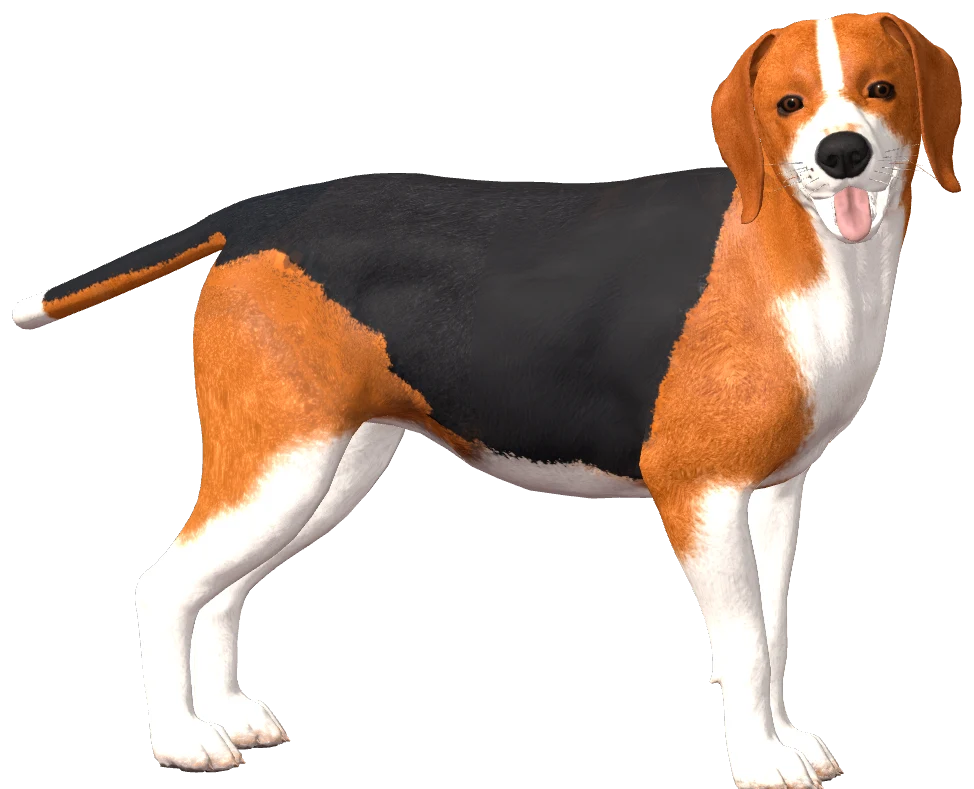
A small to medium hound with a short, dense coat, most famously tricolour in black, tan and white. Beagles stand around 33 to 40 cm and usually live about 10 to 15 years. They are loving, sociable and generally easygoing, and they need an hour or more of exercise a day, ideally with plenty of chances to sniff. Sillmates makes the Beagle as a desktop pet companion for Mac and Windows, in a Tricolour coat.
02
History and origin
Small hounds for hunting hare have a long history in England. The Royal Kennel Club says the breed was established in England by the 15th century, and the name Beagle first appears in English writing in 1475. Beagles were bred to hunt small game and to be followed on foot, which made them appealing to people who could not follow the larger scenthounds on horseback. VCA Hospitals says the breed probably came from crosses between the Harrier and other hounds. Queen Elizabeth I kept a pack of miniature Beagles, reputedly small enough to be carried in a saddle pannier or even a pocket. In America the breed was firmly established in the 1880s, and in 1885 a Beagle named Blunder became the first to be registered by the American Kennel Club.
03
Temperament and personality
The Royal Kennel Club breed standard describes a merry hound that is amiable and alert, showing no aggression or timidity. The American Kennel Club calls the Beagle happy-go-lucky and funny, and notes that because Beagles were bred to hunt in packs, they enjoy company and are generally easygoing. VCA Hospitals describes an exuberant playmate and adventurous companion that is gregarious toward strangers and very good with other dogs. Beagles are intelligent but can be wilful and easily distracted, so training should start early, be positive and reward-based, and be consistent. Food rewards work especially well. Many Beagles bark and bay loudly, particularly when left alone.
04
Size and build
The breed standard describes a sturdy, compactly built hound that gives an impression of quality without coarseness. The Royal Kennel Club sets a desirable height at the withers of 33 to 40 cm (13 to 16 inches), and the PDSA gives the same average height. In the USA the breed is shown in two size varieties: the American Kennel Club gives 13 inches and under, weighing under 20 pounds, and 13 to 15 inches, weighing 20 to 30 pounds. The PDSA gives an average weight of 9 to 11 kg.
05
Coat and colours
The coat is short, dense and weatherproof. The best-known colouring is tricolour, which the breed standard spells out as black, tan and white. The standard also allows blue, white and tan, badger pied, hare pied, lemon pied, lemon and white, red and white, tan and white, black and white, and all white, along with mottled versions of these. Whatever the colour, the tip of the tail, known as the stern, is white.
06
Exercise and play
Beagles tend to be quite high energy and like to be part of everything their owners do. The PDSA recommends at least an hour and a half of exercise a day, combining walking and running, plus playtime, training and free time in a secure garden. Beagles are scent hounds, so scent games that use their keen sense of smell are a great outlet. Keep them on the lead unless the area is secure: once a Beagle catches an interesting scent, its recall can vanish. They are good escape artists and love to climb and dig, so the garden needs to be Beagle-proof.
07
Grooming and care
The coat is relatively low maintenance. A weekly brush removes dead hair and keeps it in good condition, though you can expect a reasonable amount of shedding. Check the long ears and keep them clean and dry to help prevent ear infections. Beagles love to eat almost anything and tend to become overweight, so feed a complete, balanced diet, count training treats in the daily allowance and cut back if your dog starts to gain weight.
08
Health and lifespan
Lifespan figures vary a little: the American Kennel Club gives 10 to 15 years, VCA Hospitals 12 to 15 years, and the PDSA and The Royal Kennel Club say over 12 years. Conditions the PDSA lists for Beagles include epilepsy, hypothyroidism, intervertebral disc disease, certain cancers, eye conditions such as cherry eye, and ear canal inflammation. There are also inherited conditions that breeders can test for, including Neonatal Cerebellar Cortical Degeneration and Lafora's disease. Choose a puppy whose parents have had the relevant health screening, keep your Beagle slim, and see your vet about any seizure, back pain or sore ear.
09
Living with one
Beagles are loving and sociable dogs that enjoy being involved in whatever is going on at home. Their size and adaptability make them popular with families and first-time owners, and they cope with city or country life as long as they get enough exercise. They thrive on company and can become distressed, noisy and destructive when left alone, so they suit homes where someone is usually around. Supervise them with children, and take care with smaller pets, because their hunting instinct is strong.
10
Fun facts
The most famous Beagle of all is Snoopy from Peanuts, and the American Kennel Club made an exception to its rules to give him the honorary registration number Beagle-1. Queen Elizabeth I's tiny pocket Beagles were also known as singing beagles or glove beagles. And a Beagle's nose holds more than 225 million scent receptors, against about five million in a human.
11
Questions about the Beagle
Are Beagles good family dogs?
Yes. They are loving and tolerant, and if socialised well from a young age they suit family life very well. Always supervise them with children, as play can get boisterous.
How much exercise does a Beagle need?
The PDSA recommends at least an hour and a half a day, mixing walking and running, plus playtime and scent games. Keep them on the lead unless the area is secure.
How long do Beagles live?
Usually 10 to 15 years. The American Kennel Club gives 10 to 15 years, VCA Hospitals 12 to 15, and the PDSA and The Royal Kennel Club say over 12.
Do Beagles bark a lot?
They can. Beagles are more vocal than many dogs, and some bark and bay loudly and often, especially when bored or left alone.
What colours do Beagles come in?
Tricolour (black, tan and white) is the classic look, but the breed standard also allows several pied and two-colour combinations, such as lemon and white, red and white, and tan and white. The tail tip is always white.
12
Sources
- royalkennelclub.com/search/breeds-a-to-z/breeds/hound/beagle
- royalkennelclub.com/breed-standards/hound/beagle
- akc.org/dog-breeds/beagle
- akc.org/expert-advice/dog-breeds/beagle-history
- vcahospitals.com/know-your-pet/dog-breeds/beagle
- pdsa.org.uk/pet-help-and-advice/looking-after-your-pet/puppies-dogs/medium-dogs/beagle